
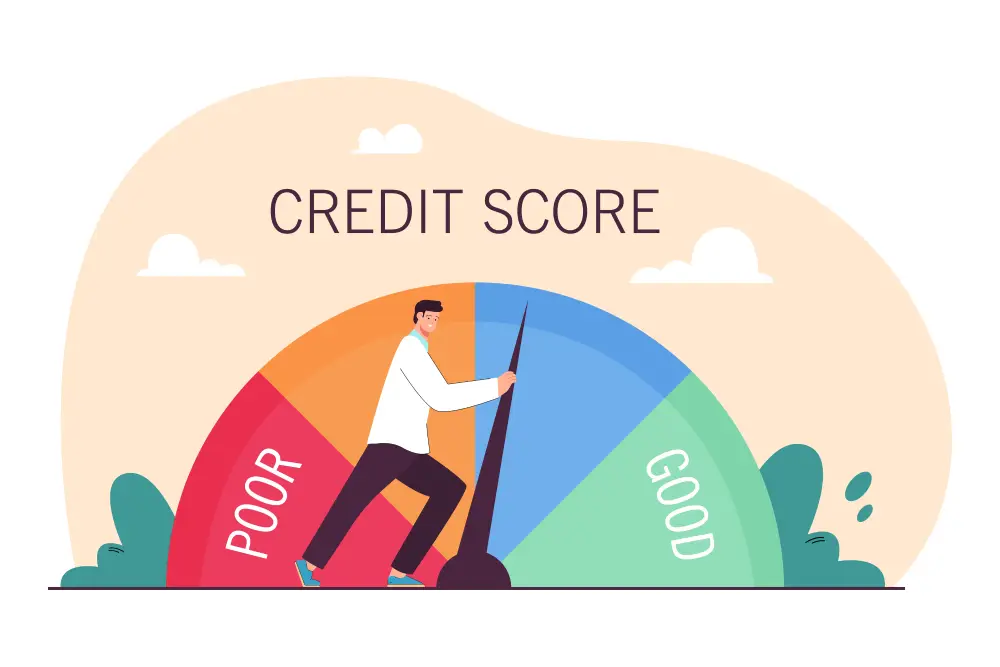
How to Improve Your Credit Score: Tips and Strategies for Better Financial Health
Introduction
Your credit score is a crucial factor that impacts your ability to secure loans, credit cards, and even rent an apartment. A higher credit score can lead to better interest rates, while a lower score may make it harder to qualify for financial products. But don’t worry—improving your credit score is possible with a little effort and strategic planning.
In this article, we’ll share practical steps to boost your credit score. Additionally, if you’re looking for personalized advice, WLP can assist you in managing your credit and achieving your financial goals.
1. Check Your Credit Report Regularly
The first step in improving your credit score is knowing where you stand. Request a free copy of your credit report from the three major credit bureaus: Equifax, Experian, and TransUnion. Review the report carefully to check for errors, inaccuracies, or fraudulent activities that may be affecting your score.
If you spot any discrepancies, you can dispute them with the credit bureau to have them corrected. It’s important to make this a regular habit to keep track of your financial health.
Tip: Consider using a credit monitoring service for ongoing updates and alerts.
2. Pay Your Bills on Time
Timely payments are one of the most significant factors that influence your credit score. Late payments can negatively impact your credit score, so it’s essential to make payments on time.
To stay on top of due dates, set up reminders or automatic bill payments. Even one missed payment can cause your score to drop, so consistency is key.
Tip: If you’re struggling to make payments on time, WLP offers financial planning services that can help you manage your cash flow effectively.
3. Reduce Your Credit Card Balances
Credit utilization—the ratio of your credit card balance to your credit limit—has a significant impact on your credit score. Ideally, you want to keep your credit utilization below 30%. This shows lenders that you’re using credit responsibly and not relying too heavily on it.
Pay down high-interest debt first, and try to avoid maxing out your credit cards. The lower your credit utilization, the better it will reflect on your credit score.
Tip: Use tools like WLP’s financial advice to create a debt repayment plan tailored to your situation.
4. Avoid Opening New Credit Accounts Frequently
While it might be tempting to apply for a new credit card to get rewards or benefits, frequent credit inquiries can lower your score. Each time a lender checks your credit history, it’s recorded as a hard inquiry, which can impact your credit score for several months.
Instead of opening new accounts, focus on improving the management of the accounts you already have. Only open new credit accounts when absolutely necessary.
Tip: Need help understanding the impact of new credit? WLP can provide expert guidance on managing your credit profile.
5. Diversify Your Credit Mix
Having a mix of different types of credit accounts—such as credit cards, loans, and a mortgage—can benefit your credit score. A well-rounded credit profile demonstrates your ability to manage different kinds of debt responsibly.
However, it’s important to only take on additional credit when it’s necessary and manageable. Adding credit just for the sake of variety can backfire if you can’t manage it properly.
Tip: WLP can help you analyze your credit mix and create a plan to improve it.
6. Negotiate with Creditors
If you’re struggling with outstanding debt, consider negotiating with your creditors to settle or reduce the debt. Many creditors are willing to work with you, especially if you’re transparent about your financial situation.
Negotiating terms or requesting a payment plan can prevent late fees and potentially improve your credit score. Always get any agreements in writing.
Tip: WLP can help you come up with a realistic repayment plan that fits your financial situation.
7. Consider Credit Repair Services
If you’re facing significant challenges with your credit, credit repair services can help. These services can assist in disputing inaccuracies, negotiating with creditors, and finding ways to improve your credit profile.
Before committing to a service, be sure to research their reputation and understand the fees involved. You can also seek advice from WLP, which provides expert financial advice and can guide you on whether credit repair services are right for you.
8. Be Patient: Credit Improvement Takes Time
Improving your credit score doesn’t happen overnight. It requires consistent effort and patience. Remember that negative marks like late payments and high balances may take time to come off your credit report, but with persistence, your score will gradually improve.
Tip: Stay consistent with good credit habits, and over time, you’ll see the results.
Conclusion
Improving your credit score is an achievable goal, and by following these steps, you can build a healthier financial future. Whether it’s checking your credit report regularly, paying your bills on time, or managing your credit utilization, every positive change will make a difference.
If you need expert assistance in managing your credit and finances, WLP is here to help. Our financial planning and debt management services can guide you toward a stronger credit profile and financial stability.
Take control of your credit score today! If you’re looking for personalized financial assistance, reach out to WLP to explore how they can help you achieve your financial goals.