
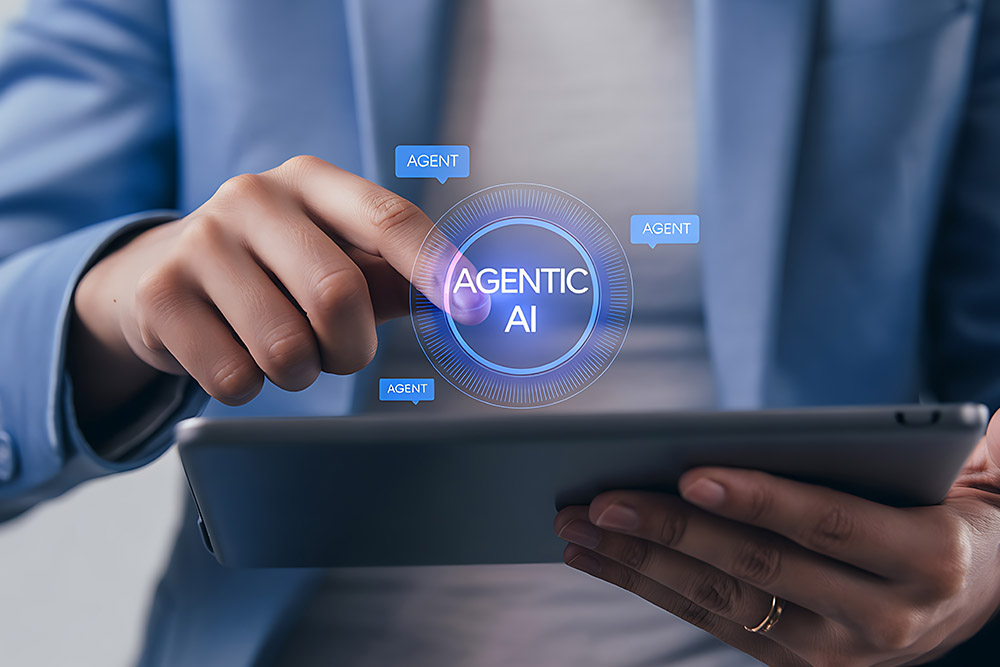
Agentic AI in Singapore: What Business Leaders Need to Know in 2026
Singapore is rapidly emerging as one of Asia’s leading hubs for artificial intelligence innovation, and Agentic AI is at the centre of this transformation. Unlike traditional AI tools that simply respond to prompts, Agentic AI can autonomously plan, execute tasks, analyse outcomes, and continuously improve workflows with minimal human intervention. Businesses across finance, logistics, healthcare, HR, and customer service are already exploring how these intelligent systems can streamline operations and improve decision-making.
As Singapore accelerates its digital economy ambitions, organisations that adopt AI strategically are likely to gain a strong competitive advantage. Government initiatives, AI governance frameworks, and workforce transformation programs are also helping companies integrate AI responsibly while maintaining regulatory compliance.
What Is Agentic AI?
Agentic AI refers to autonomous AI systems capable of making decisions and performing complex actions without needing constant instructions from humans. While generative AI focuses mainly on producing content such as text, images, or code, Agentic AI goes further by actively managing workflows, coordinating tasks, and adapting to changing environments.
For example, an Agentic AI system can:
- Monitor inventory levels automatically
- Analyse customer behaviour in real time
- Trigger procurement requests
- Coordinate with accounting systems
- Generate reports for management
- Optimise operational processes continuously
This ability to “act” independently makes Agentic AI particularly valuable for businesses looking to improve productivity and reduce repetitive manual work.
Why Singapore Is Embracing Agentic AI
Singapore’s business environment is highly suited for AI adoption due to its strong digital infrastructure, pro-innovation policies, and emphasis on productivity growth. The government has introduced initiatives under the National AI Strategy and developed governance frameworks to encourage responsible AI deployment across industries.
Several factors are driving rapid adoption:
- Rising Operational Costs
Businesses in Singapore face increasing labour costs and manpower shortages. Agentic AI helps automate repetitive workflows, allowing companies to scale efficiently without significantly increasing headcount.
- Demand for Faster Decision-Making
AI-powered systems can process large volumes of data instantly, helping organisations respond more quickly to market changes and customer needs.
- Government Support for AI Innovation
Singapore continues to invest heavily in AI capabilities through grants, digital transformation programs, and workforce upskilling initiatives.
- Strong Regulatory Framework
Singapore’s emphasis on responsible AI governance provides businesses with clearer guidelines on ethical AI usage, risk management, and data protection.
Key Benefits of Agentic AI for Businesses
Improved Operational Efficiency
Agentic AI can automate repetitive business processes, reduce manual errors, and improve workflow coordination. Many companies are already seeing measurable improvements in productivity and turnaround times.
Better Customer Experience
AI-driven customer support systems can respond faster, personalise interactions, and resolve issues more efficiently through intelligent automation.
Smarter Business Insights
By analysing real-time business data, Agentic AI can identify trends, forecast risks, and recommend strategic actions more effectively than traditional systems.
Enhanced Employee Productivity
Instead of replacing employees entirely, AI often allows teams to focus on higher-value strategic work while automation handles repetitive operational tasks.
Industries in Singapore Leading AI Adoption
Several sectors are already benefiting from Agentic AI technologies:
- Financial services
- Accounting and compliance
- Logistics and supply chain management
- Healthcare
- Human resources
- Customer service
- E-commerce and retail
Accounting firms, in particular, are increasingly leveraging AI for bookkeeping automation, compliance monitoring, payroll management, financial forecasting, and reporting efficiency.
Challenges Businesses Must Address
While the opportunities are significant, implementing Agentic AI also comes with risks and responsibilities.
Data Privacy and Compliance
Businesses must ensure AI systems comply with Singapore’s Personal Data Protection Act (PDPA) and other regulatory requirements.
Cybersecurity Risks
As AI systems become more interconnected, organisations must strengthen cybersecurity measures to protect sensitive business data.
Integration with Existing Systems
Many companies still rely on legacy software infrastructure, which may require upgrades before advanced AI systems can be fully implemented.
Governance and Accountability
Autonomous systems require clear oversight mechanisms to ensure ethical and transparent decision-making.
How SMEs Can Start Using Agentic AI
For small and medium-sized enterprises (SMEs), AI adoption does not need to happen all at once. A phased approach is often the most practical strategy.
Step 1: Identify Repetitive Workflows
Focus on areas where employees spend significant time on repetitive administrative tasks.
Step 2: Start with Pilot Projects
Begin with smaller AI implementations such as customer support automation, accounting workflows, or data reporting systems.
Step 3: Ensure Compliance Readiness
Work with experienced business consultants and accounting professionals to ensure AI adoption aligns with Singapore regulations.
Step 4: Upskill Employees
AI works best when employees understand how to collaborate effectively with intelligent systems.
The Future of Agentic AI in Singapore
Agentic AI is expected to reshape business operations significantly over the next few years. As autonomous systems become more advanced, businesses that adopt AI early may gain stronger operational agility, cost efficiency, and competitive advantage.
However, successful implementation requires more than technology alone. Companies must balance innovation with governance, cybersecurity, and workforce readiness to achieve sustainable long-term results.
For businesses exploring AI adoption, working with experienced corporate advisory and accounting professionals can help ensure compliance, operational readiness, and smoother digital transformation.
Find WLP for AI-Ready Business Support
Businesses looking to integrate AI into their finance, accounting, and operational processes can explore support from WLP. From corporate accounting services to business advisory and compliance support in Singapore, WLP helps companies strengthen financial operations while preparing for future digital transformation initiatives.
Whether your company is exploring automation, AI-enhanced finance operations, or scalable business processes, partnering with experienced professionals can help reduce implementation risks and improve long-term business performance.