
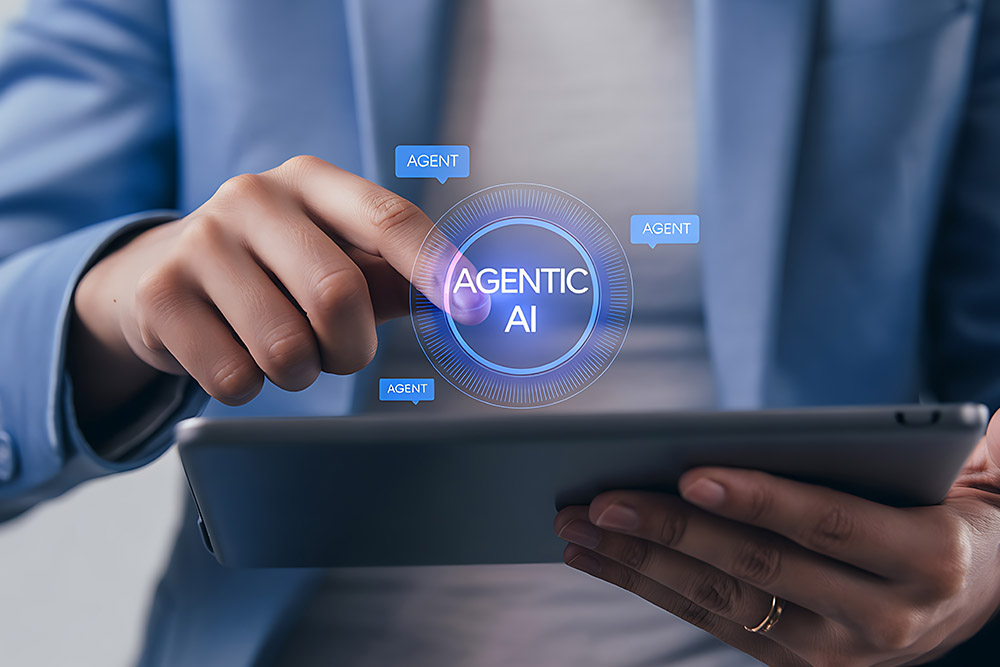
AI in Accounting: How Artificial Intelligence is Transforming Modern Accounting Firms in Singapore
Introduction
Artificial Intelligence (AI) is rapidly reshaping the accounting industry, helping businesses and accounting firms streamline operations, improve accuracy, and deliver greater value to clients. As digital transformation accelerates across Singapore, AI-powered accounting solutions are becoming essential tools for businesses seeking efficiency, compliance, and strategic insights.
Rather than replacing accountants, AI is enabling finance professionals to focus on higher-value advisory services while automating repetitive and time-consuming tasks. From automated bookkeeping to predictive financial analysis, AI is creating new opportunities for growth and innovation within the accounting sector.
What Is AI in Accounting?
AI in accounting refers to the use of technologies such as machine learning, predictive analytics, natural language processing, and intelligent automation to perform accounting-related tasks. These systems can analyze large volumes of financial data, identify patterns, detect anomalies, and automate routine processes that traditionally required significant manual effort.
Common applications of AI in accounting include:
- Automated data entry
- Invoice and receipt processing
- Bank reconciliation
- Expense categorization
- Financial forecasting
- Compliance monitoring
- Audit support
- Client communication assistance
Key Benefits of AI for Accounting Firms
- Increased Efficiency and Productivity
One of the most significant advantages of AI is its ability to automate repetitive administrative tasks. Activities such as transaction coding, document processing, and reconciliation can be completed much faster with AI-powered tools, allowing accountants to focus on strategic planning and client advisory services.
- Improved Accuracy
Manual data entry is often prone to human error. AI systems can extract and process financial information with greater consistency, reducing mistakes and improving the reliability of financial records. Automated validation checks also help identify discrepancies before they become larger issues.
- Better Decision-Making
AI can analyze historical financial data and generate valuable insights that support business decisions. By identifying trends, forecasting cash flow, and highlighting potential risks, AI helps businesses make more informed financial choices.
- Enhanced Client Service
With routine work automated, accounting professionals can dedicate more time to understanding client needs and providing personalized financial advice. This shift strengthens client relationships and positions accountants as trusted business advisors rather than solely compliance providers.
- Scalability for Growing Businesses
As businesses expand, transaction volumes increase. AI-powered accounting solutions can efficiently handle larger datasets without requiring proportional increases in manpower, making growth more manageable and cost-effective.
Practical Applications of AI in Accounting
Automated Bookkeeping
AI can automatically categorize transactions, process invoices, and maintain accurate financial records. This reduces manual workloads and accelerates month-end closing processes.
Smart Document Processing
Modern accounting platforms use AI-driven document capture technology to extract information from invoices, receipts, and financial documents. This minimizes manual data entry while improving accuracy and efficiency.
Intelligent Financial Reporting
AI can generate reports, identify unusual financial activities, and provide real-time insights that help businesses monitor performance more effectively. Financial teams gain faster access to critical information needed for strategic planning.
Fraud Detection and Risk Management
Machine learning algorithms can identify suspicious transactions and unusual patterns that may indicate fraud or compliance issues. Early detection helps businesses strengthen internal controls and reduce financial risks.
Challenges and Considerations
While AI offers substantial benefits, businesses should be aware of several considerations:
Data Security and Privacy
Financial information is highly sensitive. Businesses must ensure that AI solutions comply with relevant data protection regulations and maintain robust cybersecurity measures.
Human Oversight Remains Essential
AI can automate many tasks, but professional judgment remains critical for complex accounting decisions, tax planning, regulatory interpretation, and business advisory services. Industry discussions continue to emphasize the importance of maintaining a human-in-the-loop approach for key financial decisions.
Staff Training and Change Management
Successful AI adoption requires employees to understand how to work effectively with new technologies. Ongoing training helps accounting teams maximize the benefits of AI while adapting to evolving workflows.
The Future of AI in Accounting
The future of accounting will likely involve deeper integration between AI tools and accounting platforms. Advanced AI assistants are already helping accountants analyze financial data, generate insights, and streamline client management processes. As technology continues to evolve, firms that embrace AI will be better positioned to improve efficiency, enhance service quality, and remain competitive in a rapidly changing market.
Partner with WLP for Smarter Financial Management
Implementing AI technology is only one part of building an efficient and compliant financial system. Businesses also need experienced accounting professionals who can provide strategic guidance, ensure regulatory compliance, and interpret financial insights effectively.
At WLP, we help Singapore businesses navigate modern accounting challenges with professional bookkeeping, accounting, tax, payroll, and corporate advisory services. Whether you are adopting AI-powered accounting tools or looking to improve your existing financial processes, our team can provide the expertise and support needed to help your business grow with confidence.
Contact WLP today to discover how technology-driven accounting solutions can improve efficiency, accuracy, and long-term business success.
Conclusion
AI is transforming the accounting profession by automating routine tasks, improving accuracy, and delivering valuable financial insights. While technology continues to advance, the role of professional accountants remains indispensable for strategic decision-making and regulatory compliance. Businesses that combine AI-powered tools with expert accounting support will be best positioned to thrive in the digital economy.